
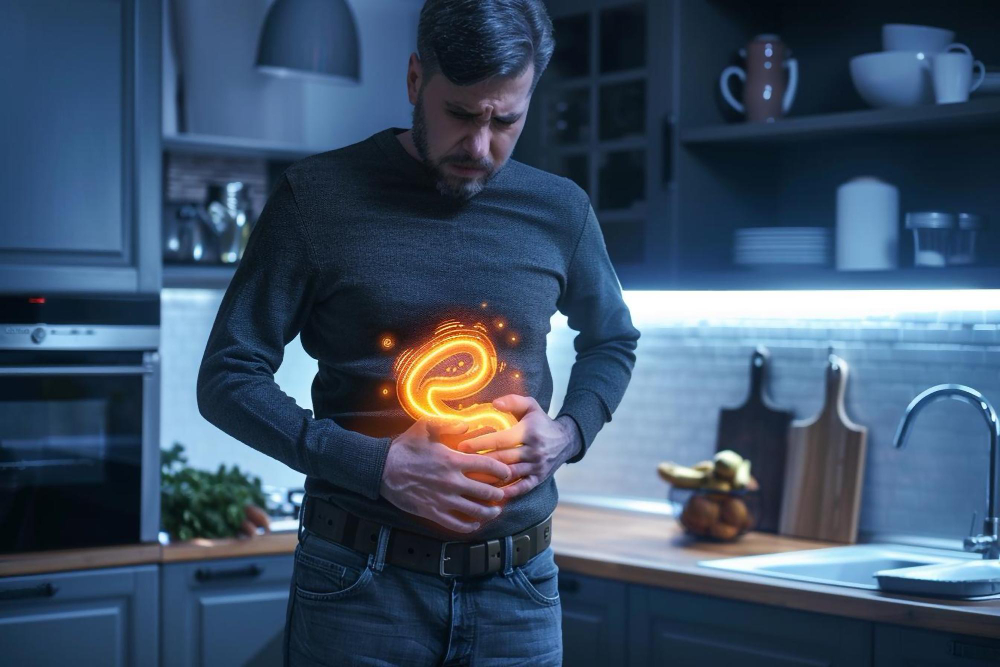
You finish your meal, and instead of feeling satisfied, your stomach starts hurting. Sometimes it's a dull ache just below your ribs. Other times, it's bloating, cramping, or a burning sensation that makes you wonder whether something you ate was responsible.
An occasional stomachache after a heavy meal isn't unusual. But when the discomfort returns after breakfast, lunch, or dinner, it's worth understanding why.
Stomach pain after eating can develop for several reasons, including indigestion, acid reflux, food intolerance, or problems involving the gallbladder. The timing and location of the pain, along with any other symptoms, can offer useful clues.
Although some digestive discomfort improves with simple changes, recurring or worsening pain deserves medical attention.
Why Does Your Stomach Hurt After Eating?
When you eat, your digestive system becomes more active. Your stomach produces acid, your gallbladder releases bile to help digest fats, and your intestines begin moving food through the digestive tract.
If something interferes with these processes, discomfort may develop.
However, what people commonly call "stomach pain" doesn't always originate in the stomach itself. The abdomen contains several organs, and conditions affecting them can produce similar symptoms.
That's why it's important to consider what the pain feels like and whether it occurs with nausea, vomiting, diarrhea, or other changes.
If digestive discomfort develops alongside an illness, NYUCC's common illness services provide information about non-emergency conditions that may be assessed at urgent care.
1. Indigestion: A Common Reason for Pain After Meals
Indigestion, medically known as dyspepsia, can cause discomfort in the upper abdomen during or after eating.
You might experience:
- A burning or aching sensation in your upper stomach
- Feeling full after eating only a small amount
- Uncomfortable fullness after meals
- Bloating or frequent belching
- Mild nausea
Indigestion may occur occasionally, but some people experience it regularly.
Eating too quickly or consuming large meals may contribute to symptoms. Certain medications and digestive conditions can also play a role.
If indigestion happens frequently, don't automatically assume it's caused by your food choices. A medical evaluation may be needed to identify the underlying reason.
2. Acid Reflux and GERD
Acid reflux occurs when stomach contents flow backward into the esophagus, the tube connecting your mouth to your stomach.
This can cause burning discomfort in the upper abdomen or behind the breastbone.
Symptoms may become worse after large meals or when lying down shortly after eating.
Some people also notice a sour taste in their mouth, frequent burping, or throat irritation.
When reflux becomes persistent or causes troublesome symptoms, gastroesophageal reflux disease (GERD) may be considered.
It's important to remember that chest discomfort isn't always caused by acid reflux. Heart-related conditions can sometimes produce similar symptoms and require emergency assessment.
3. Food Intolerance
Have you noticed that stomach discomfort appears after eating certain foods but not others?
Food intolerance may be one possible explanation.
For example, lactose intolerance can cause abdominal cramping, bloating, gas, and diarrhea after consuming dairy products.
Symptoms may develop because your digestive system cannot properly process a particular ingredient.
Unlike a food allergy, food intolerance does not involve the same immune mechanism and typically does not cause anaphylaxis.
If you suspect a food intolerance, try keeping track of what you eat and when symptoms develop.
However, avoid eliminating several major food groups without professional guidance. An unnecessarily restrictive diet can affect your nutritional intake.
4. Gastritis and Peptic Ulcers
Gastritis refers to inflammation of the stomach lining. Peptic ulcers are sores that develop in the stomach or the first part of the small intestine.
Both conditions may produce upper abdominal discomfort, although their symptoms can overlap with other digestive problems.
Possible symptoms include:
- Burning or aching pain in the upper abdomen
- Nausea
- Loss of appetite
- Bloating
- Discomfort associated with meals
Common contributing factors include Helicobacter pylori infection and frequent use of nonsteroidal anti-inflammatory drugs, such as ibuprofen or naproxen.
Not everyone with gastritis or an ulcer experiences the same symptoms, and some people have few noticeable symptoms.
Persistent abdominal pain should be evaluated rather than repeatedly treated with over-the-counter remedies without understanding the cause.
5. Gallbladder Problems
Your gallbladder stores bile, a digestive fluid that helps your body process fats.
If gallstones block the normal flow of bile, abdominal pain may develop.
Gallbladder-related pain often occurs in the upper right or upper middle abdomen. It may spread toward the back or right shoulder.
Some people notice episodes after fatty meals, although this doesn't happen in every case.
The discomfort can last from more than 30 minutes to several hours.
Severe or persistent upper abdominal pain, especially with fever, vomiting, or yellowing of the skin or eyes, requires urgent assessment in an emergency department.
Gallbladder conditions may require imaging, blood tests, and sometimes hospital treatment.
6. Irritable Bowel Syndrome (IBS)
Irritable bowel syndrome is a condition associated with recurring abdominal pain and changes in bowel habits.
People with IBS may experience:
- Abdominal cramping
- Bloating
- Diarrhea
- Constipation
- Symptoms that worsen after particular meals
Some individuals notice that their discomfort improves after a bowel movement.
However, IBS cannot be diagnosed simply because stomach pain appears after eating.
If your symptoms are new, persistent, or accompanied by concerning changes, a healthcare professional may need to investigate other possible conditions.
7. Food Poisoning or Gastrointestinal Infections
If stomach pain develops alongside diarrhea, nausea, vomiting, or fever, an infection may be responsible.
Foodborne illnesses can develop after consuming food or drinks contaminated with harmful microorganisms.
However, symptoms do not always begin immediately after the contaminated meal. Depending on the organism, they may start hours or even days later.
Mild infections often improve with supportive care, but dehydration can become a concern when vomiting or diarrhea is frequent.
Seek medical attention if you cannot keep fluids down, experience bloody diarrhea, have signs of dehydration, or develop significant abdominal pain.
Does the Location of Stomach Pain Matter?
Where the pain occurs can offer clues, although location alone cannot confirm a diagnosis.
Upper middle abdomen: Indigestion, gastritis, peptic ulcers, and other upper digestive conditions may produce discomfort here.
Upper right abdomen: Gallbladder problems are one possible explanation, especially when pain is persistent or follows meals.
Lower abdomen: Bowel-related conditions and problems involving other abdominal or pelvic organs may be responsible.
Pain throughout the abdomen: Gas, digestive infections, or other gastrointestinal conditions can cause more widespread discomfort.
The severity, duration, and associated symptoms are just as important as the location.
For example, pain that becomes progressively worse or prevents you from carrying out normal activities deserves medical evaluation, even if the exact location is difficult to identify.
What Can You Do to Relieve Mild Stomach Pain After Eating?
If the discomfort is mild and you don't have warning signs, a few changes may help.
Eat Smaller Meals
Large meals can worsen fullness and discomfort in some people.
Eating smaller portions may reduce symptoms, particularly when indigestion or reflux is contributing.
Slow Down While Eating
Eating quickly may increase swallowed air and make bloating more noticeable.
Take your time and avoid rushing through meals.
Identify Foods That Trigger Symptoms
Some people notice discomfort after eating fatty foods, spicy meals, or certain dairy products.
Keeping a simple food diary can help reveal patterns.
Rather than removing foods unnecessarily, discuss persistent symptoms with a healthcare professional.
Avoid Lying Down Immediately After Meals
If you experience reflux symptoms, remaining upright after eating may reduce discomfort.
Stay Hydrated
Drink fluids regularly, especially if your stomach pain is accompanied by diarrhea or vomiting.
If you've lost significant fluids, appropriate oral rehydration may be needed.
These measures may help certain digestive problems, but they won't treat every cause of abdominal pain.
When Should You Seek Medical Help for Stomach Pain After Eating?
An occasional mild stomachache may improve without treatment.
However, recurring pain should not become something you simply learn to tolerate.
Arrange medical evaluation if:
- Stomach pain occurs after most meals.
- The discomfort persists or becomes more frequent.
- You regularly feel full after eating very little.
- You experience unexplained weight loss.
- Nausea or vomiting keeps returning.
- You have difficulty or pain when swallowing.
- The pain affects your ability to eat, sleep, or work.
Warning Signs That Require Emergency Care
Go to an emergency department if you develop:
- Sudden, severe abdominal pain
- Vomiting blood or material resembling coffee grounds
- Black, tarry stools or significant rectal bleeding
- A rigid or extremely tender abdomen
- Severe pain accompanied by fainting
- Inability to pass stool or gas together with vomiting
Severe upper abdominal pain with fever or jaundice also needs emergency assessment.
If abdominal discomfort occurs with chest pressure, sweating, breathlessness, or pain spreading into the arm or jaw, call 911 because a heart-related emergency may be possible.
How Is Recurring Stomach Pain Diagnosed?
A healthcare professional will usually begin by reviewing your symptoms and medical history.
They may ask:
- Where exactly does the pain occur?
- Does it begin immediately after eating or several hours later?
- Are certain foods associated with symptoms?
- Have you experienced vomiting, diarrhea, or changes in bowel habits?
- Do you regularly take pain relievers or other medications?
A physical examination can help determine whether further investigation is needed.
Depending on the findings, blood tests, urine testing, stool tests, imaging, or specialist evaluation may be recommended.
NYUCC offers laboratory services and diagnostic services, although the appropriate investigations depend on the clinician's assessment.
Some conditions require advanced imaging or procedures that may not be available in an urgent care setting.
Can You Visit Urgent Care for Stomach Pain After Eating?
Urgent care may be suitable for mild to moderate, non-emergency digestive symptoms that need timely medical evaluation.
For example, if you're experiencing recurring stomach discomfort but don't have severe pain or emergency warning signs, a clinician can review your symptoms and recommend appropriate next steps.
New York Urgent Care provides walk-in urgent care for suitable non-life-threatening conditions.
An assessment may help determine whether you need additional testing, treatment, follow-up with your primary care provider, or referral to a gastroenterologist.
Urgent care is not a replacement for emergency medical services when symptoms suggest internal bleeding, a serious abdominal condition, or another life-threatening problem.
Where Can You Get Stomach Pain Evaluated Near Floral Park and Bellerose?
If you're searching for urgent care Floral Park services or a walk in clinic Floral Park residents can access, New York Urgent Care serves patients from Floral Park at its Bellerose location.
You can explore its urgent care services near Floral Park for additional information.
Patients looking for urgent care Bellerose can access the same clinic on Jericho Turnpike.
NYUCC also serves nearby communities, including those searching for urgent care Queens Village.
For non-emergency digestive concerns, a medical evaluation may help determine whether symptoms require treatment, additional investigation, or ongoing follow-up.
Final Thoughts
Stomach pain after eating doesn't always mean you've eaten something wrong.
Sometimes, the discomfort may be related to indigestion, reflux, or a particular food intolerance. Other times, recurring symptoms can point toward inflammation, gallbladder problems, or another digestive condition.
If your stomach regularly hurts after meals, pay attention to the pattern rather than simply avoiding food or relying on temporary relief.
For appropriate non-emergency digestive symptoms, New York Urgent Care Center serves patients across Bellerose, Floral Park, Queens Village, and surrounding communities.
You can find the clinic's address and directions on the NYUCC locations before visiting.
Frequently Asked Questions
Why does my stomach hurt immediately after eating?
Pain that begins during or shortly after a meal may be associated with indigestion, reflux, or other digestive conditions. The timing alone cannot confirm the cause.
Why does my stomach hurt after eating even a small amount?
Feeling uncomfortable after only a few bites can occur with functional dyspepsia and other digestive conditions. Persistent early fullness, particularly with weight loss or vomiting, deserves medical evaluation.
Can stress cause stomach pain after meals?
Stress can influence digestive function and may worsen symptoms in some people. However, recurring pain should not automatically be attributed to stress without considering other causes.
Can gallstones cause pain after eating?
Yes. Gallstones can sometimes produce upper abdominal pain after meals, especially when bile flow becomes obstructed. Persistent or severe pain needs prompt medical evaluation.
When should I go to urgent care for stomach pain?
Urgent care may be appropriate for mild to moderate non-emergency symptoms that need timely assessment. Sudden severe pain, signs of gastrointestinal bleeding, or other emergency symptoms require hospital-based care.
